hacking-tutorial
IP & Port Scanning
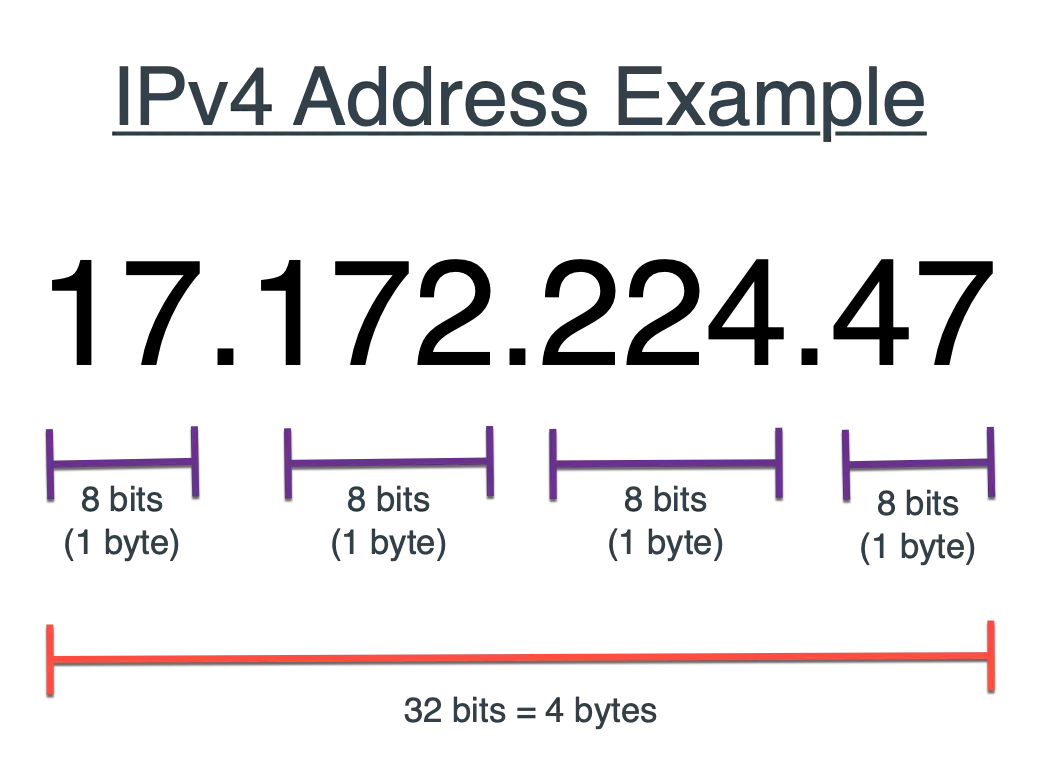
- IP stands for
Internet Protocol. an IP address (IPv4 or IPv6) identifies a host on a network so packets can be routed to it. - Ports are numeric endpoints on a host that services listen on (for example, 80 for HTTP, 22 for SSH). A single IP can host many services distinguished by port numbers.
- IP scanning discovers active hosts on a network (which IPs respond).
- Port scanning probes a specific host to determine which ports are open (which services might be reachable).
- Scanning is used by system administrators and security testers to map networks, verify firewall rules, and discover unintended exposed services. It is also a common reconnaissance step in attacks. DISCLAIMER: only perform scans on systems you own or are explicitly authorized to test.
Why learn scanning?
- To inventory devices and services on your own network.
- To verify that firewall rules and service exposure match security policy.
- To find misconfigurations or unintended open services that could be hardened.
- To practice defensive tooling and incident response in controlled lab environments.
High-level approach
-
Discover hosts (IP discovery) Methods include ARP queries on a local network, ICMP ping sweeps, and crafted TCP/UDP probes. On routed networks not under your control, many hosts will drop ICMP so discovery techniques vary.
-
Choose scan type (port probing strategy)
- Connect scan - attempt to establish a TCP connection to the target port and observe success/failure. Simple and reliable
- UDP scan - send UDP packets and infer open/closed from responses or lack thereof (slow and noisy).
- Version/service detection - after finding open ports, probe them in a safe way to identify the service and version (helps prioritize fixes).
- Timing and stealth - adjust probe rate and timing to reduce load or evade simplistic detection
-
Interpret results
- Open ports usually indicate a listening service.
- Filtered/closed results can mean a firewall or host that drops probes.
- Combine scans with banner/version checks and authenticated checks (where authorized) to assess risk.
How to scan
- this guide assumes you have Kali or Debian based VM
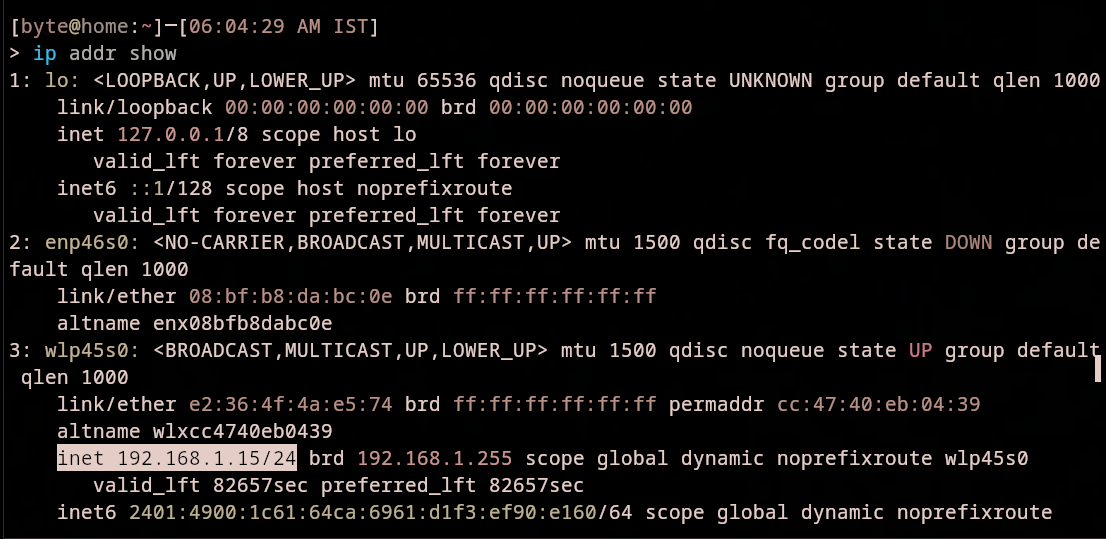
1) Find your own IP
ip addr show
OR
ifconfig
What to look for
- Pick the IPv4 address that belongs to your machine and note the subnet (e.g.,
192.168.1.15/24 in the screenshot).
2) Install nmap
What is nmap
nmapis a widely used network scanner for host discovery, port scanning, and basic service/version detection. It’s ideal for learning because it includes multiple scan modes and safe defaults.
Install
sudo apt update
sudo apt install -y nmap
3) Quick nmap primer
A) Discover live hosts on your LAN
# replace 192.168.1.15/24 with the subnet you found in step 1
nmap -sn 192.168.1.15/24
-sn= host discovery only
B) Full port range on localhost
nmap -sT -p 1-65535 127.0.0.1
-sTperforms full TCP handshakes and is easy to understand for beginners.- Slow but useful to see everything listening on your own machine.
Before we proceed, install & start an SSH server so that we can see a real port open in the scan
sudo apt update
sudo apt install -y openssh-server
sudo systemctl enable --now ssh
C) Service/version detection
nmap -sT -sV --top-ports 50 192.168.1.15
-sVprobes services to guess software/version.
5) Minimal Python Implementation local_probe.py
# local_probe.py
import socket, ipaddress, sys

def is_allowed_target(ip):
    try:
        addr = ipaddress.ip_address(ip)
        return addr.is_private or ip == "127.0.0.1"
    except ValueError:
        return False

target = input("Target IP (127.0.0.1 or private range): ").strip()
if not is_allowed_target(target):
    print("Refusing non-private target. Use only localhost or private IPs.")
    sys.exit(1)

ports_in = input("Enter ports (comma separated, e.g. 22,80,443): ").strip()
try:
    ports = [int(p) for p in ports_in.split(",") if p.strip()]
except ValueError:
    print("Invalid port list")
    sys.exit(1)

timeout = 0.8
for p in ports:
    if not (0 < p < 65536):
        print(f"port {p}: invalid")
        continue
    s = socket.socket(socket.AF_INET, socket.SOCK_STREAM)
    s.settimeout(timeout)
    try:
        s.connect((target, p))
        print(f"port {p}: open")
    except socket.timeout:
        print(f"port {p}: filtered/timeout")
    except ConnectionRefusedError:
        print(f"port {p}: closed")
    except Exception as e:
        print(f"port {p}: error {e}")
    finally:
        s.close()
print("[+] Done")
6) Interpretation & next steps
open= service accepted the connectionclosed= host reachable but no service on that portfiltered= firewall or device dropped the probe
7) Final safety & etiquette reminders
- Get written permission to scan non‑owned systems
- Use low timing templates (
-T2) on shared networks - Notify admins if scanning production or shared infrastructure to avoid false alarms
- Always document scans and findings and remediate responsibly